Global Tobee News

Stay updated with the latest company milestones, product innovations, and industry insights from Tobee group, a global leader in slurry pump technology.

Sludge Pumps Explained: Types, Applications and Selection

Jun. 24, 2026


Introduction


If you've ever stood next to a settling tank, a manure lagoon, or a dewatering pit and watched a standard water pump choke, struggle, and finally burn out, you already understand why sludge needs its own category of pump. Sludge isn't water with a bit of dirt in it. Depending on where you pull it from, it can run anywhere from 3% to over 25% solids by weight, carry grit, fibers, and sand, and behave more like wet concrete than liquid once it sits for a while.


That's exactly the gap a sludge pump is built to fill. Whether you're searching for an industrial sludge pump for a treatment plant, a sludge transfer pump for a digester, or a sludge water pump for your farm lagoon, this guide walks you through what these submersible pumps actually do, the main types on the market, where each one fits, and what to check before you buy. We'll also bring in real operating data — solids percentages, particle sizes, head and flow ranges — so you can size a pump with confidence instead of guessing.


You'll see Hydroman Pump referenced throughout because that's the equipment we build and stand behind, but the selection logic here applies no matter whose nameplate ends up on your pump.


What Is a Sludge Pump?


A sludge pump is a heavy-duty pump designed to move thick, solids-laden, often abrasive material that a conventional centrifugal water pump simply can't handle. Where a typical water pump is engineered around clear liquid with maybe 1-2% suspended solids, a true sludge water pump is built around the opposite assumption: solids are the rule, not the exception.


In wastewater treatment, raw or primary sludge typically runs 1-6% solids, while digested and thickened sludge can climb to 4-8%, and dewatered cake can exceed 20-25% solids content. In municipal lagoons and ponds, accumulated silt and organic sediment often sits between 10-20% solids by volume after years of buildup. A pump rated for clean water will cavitate, clog, or wear out within hours in that environment — which is why a dedicated sewage sludge pump or sludge suction pump uses a different impeller geometry, larger free passage, and far more wear-resistant materials.


The defining difference comes down to three things: free passage size (how big a solid the pump can swallow without jamming), impeller design (open, semi-open, or vortex rather than a tight-clearance closed impeller), and material hardness (high-chrome alloy or duplex stainless instead of standard cast iron). Get any of those three wrong and even a powerful motor won't save you.


How Does a Sludge Pump Work?


The basic principle is the same as any centrifugal pump — a rotating impeller imparts velocity to the fluid, which is converted into pressure as it exits through the volute — but every stage of that process is reinforced to cope with solids.


Submersible Sludeg Pump Agitator

Basic Pumping Principle


Sludge enters through the suction inlet, gets accelerated by the impeller, and is discharged under pressure. The difference from a clean-water pump shows up in the clearances: a submersible sludge pump needs generous gaps between the impeller and the volute casing so solids pass through instead of jamming or being shredded against the housing.


Sludge Agitation and Suspension


Left alone, sludge settles and stratifies — heavier solids sink, and the material can compact within minutes in a quiet tank. That's why most submersible units, including Hydroman's lagoon and pond models, integrate an agitator or mixing nozzle directly on the pump body. The agitator keeps settled material in suspension right at the intake, so the submersible pump for sludge is always drawing a workable mixture rather than fighting a layer of compacted sediment.


Hydroman Electric Slude Pump Impellers

Solids Transportation Process

Once in suspension, solids need to travel through the centrifugal pump and the discharge line without dropping out or building up scale on internal surfaces. This is governed by maintaining adequate flow velocity — generally a minimum of 1.5-2.5 m/s in the discharge pipe is recommended to keep solids moving and prevent settling in horizontal runs.


Importance of Impeller Design

The sludge pump impeller is arguably the single most important design decision in the whole unit. Open and semi-open impellers leave large unobstructed channels for solids and stringy material to pass through, while vortex impellers create a recessed chamber that lets solids flow almost untouched through the pump body — ideal for fibrous or "ragging" sludge. A standard closed impeller, by contrast, would clog almost immediately in the same service. This is also where a reliable sludge motor pump design matters: a submersible motor with proper IP68 sealing and thermal protection keeps running even as the impeller works against a heavier-than-water load.


Common Types of Sludge Pumps


There's no single "best" sludge pump — the right type depends entirely on where the sludge sits, how far it has to travel, and how aggressive the solids are. Here's how the main categories break down.


Submersible Sludge Pumps

A submersible sludge pump is lowered directly into the tank, pond, or lagoon, eliminating the need for a dry-pit installation or priming. This is the most common choice for ponds, lagoons, equalization tanks, and sumps where the pump can sit on or near the bottom. Hydroman's submersible range is built with cast high-chrome impellers, double mechanical seals running in an oil bath, and agitator-equipped models specifically for settled, compacted sludge. If you're comparing a submersible sludge pump price against a dry-mounted alternative, factor in the savings on civil works — no pump room, no suction piping, no priming system — which often offsets a higher per-unit cost.


Within this family you'll also see references to a heavy duty submersible sludge pump for abrasive duty, an electric submersible sludge pump for continuous unattended operation, and a small submersible sludge pump  for spot jobs like emptying a small holding tank or septic vault.


Stainles Slteel Sluge Pump China Manufacturer


Electric Sludge Pumps


An electric sludge pump runs on a standard three-phase or single-phase motor and is the default choice for continuous, unattended duty in a treatment plant or processing facility. Compared to engine-driven or hydraulic alternatives, electric units cost less to run per hour, need less routine maintenance, and integrate easily with PLC-based level control and VFDs for flow matching.


Heavy Duty Hydraulic Sludge Pump with Cutters


Hydraulic Sludge Pumps


A hydraulic sludge pump is typically excavator-mounted or skid-mounted and powered by a separate hydraulic power pack rather than an electric motor. This makes it the tool of choice for remote dredging, mobile desludging trucks, and mining sites without grid power nearby. Because the prime mover isn't electric, these units are also the practical answer when you need a heavy sludge pump that can be repositioned across a large tailings pond in a single shift.


Centrifugal Sludge Pumps

Centrifugal-style sludge pumps, sometimes marketed as a centrifugal agitator pump when fitted with a mixing attachment, deliver higher flow rates than vortex designs and are well suited to applications where the solids are present but not extremely large or stringy — general industrial sludge pump transfer duty, for example.


Sludge Cutter Pumps

When sludge carries rags, hair, plastic film, or fibrous material — a common issue in municipal headworks — a sludge cutter pump adds cutting blades or a grinder ahead of the impeller to shred material before it can wrap around the shaft. This is the standard recommendation whenever a client reports recurring clogging on a non-cutter unit handling raw municipal sludge.


Main Applications of Sludge Pumps


Wastewater Treatment Plants

Wastewater Treatment Plants


This is the largest single market for sludge pumping equipment. A wastewater sludge pump moves material between the primary clarifier, the digester, and the dewatering building, and within this workflow you'll typically see a dedicated primary sludge pump for raw influent solids and a separate thickened sludge pump rated for the much higher viscosity of digested cake before it reaches the centrifuge or belt press. A sludge dewatering pump feeding a belt filter press, for instance, commonly needs to handle sludge thickened to 3-5% solids at a controlled, pulsation-free flow rate — a duty that calls for a progressive cavity or rotary lobe design rather than a centrifugal unit.


Mining and Mineral Processing

Mining and Mineral Processing


Tailings, thickener underflow, and process water recovery all fall under what the industry often calls slurry sludge handling. A slurry mud pump in this setting routinely moves material with specific gravities of 1.3-1.8 and particle sizes up to several millimeters, which demands the same high-chrome wear parts used in mining slurry pumps generally. A slurry dewatering pump feeding a filter press or thickener cone needs to maintain steady flow against high static head, often 15-30 meters in a tall thickener installation.


Septic Tank Cleaning

Septic Tank Cleaning


sludge pump for septic tank service needs to be compact enough to fit through a standard access riser while still handling the dense, fibrous solids typical of residential and small commercial septic waste. A portable septic sludge pump in the 1-2 HP range is usually sufficient for tanks under 5,000 gallons; larger commercial systems move up to 3-5 HP units.

Paper and Pulp Plant


Industrial Processing Plants


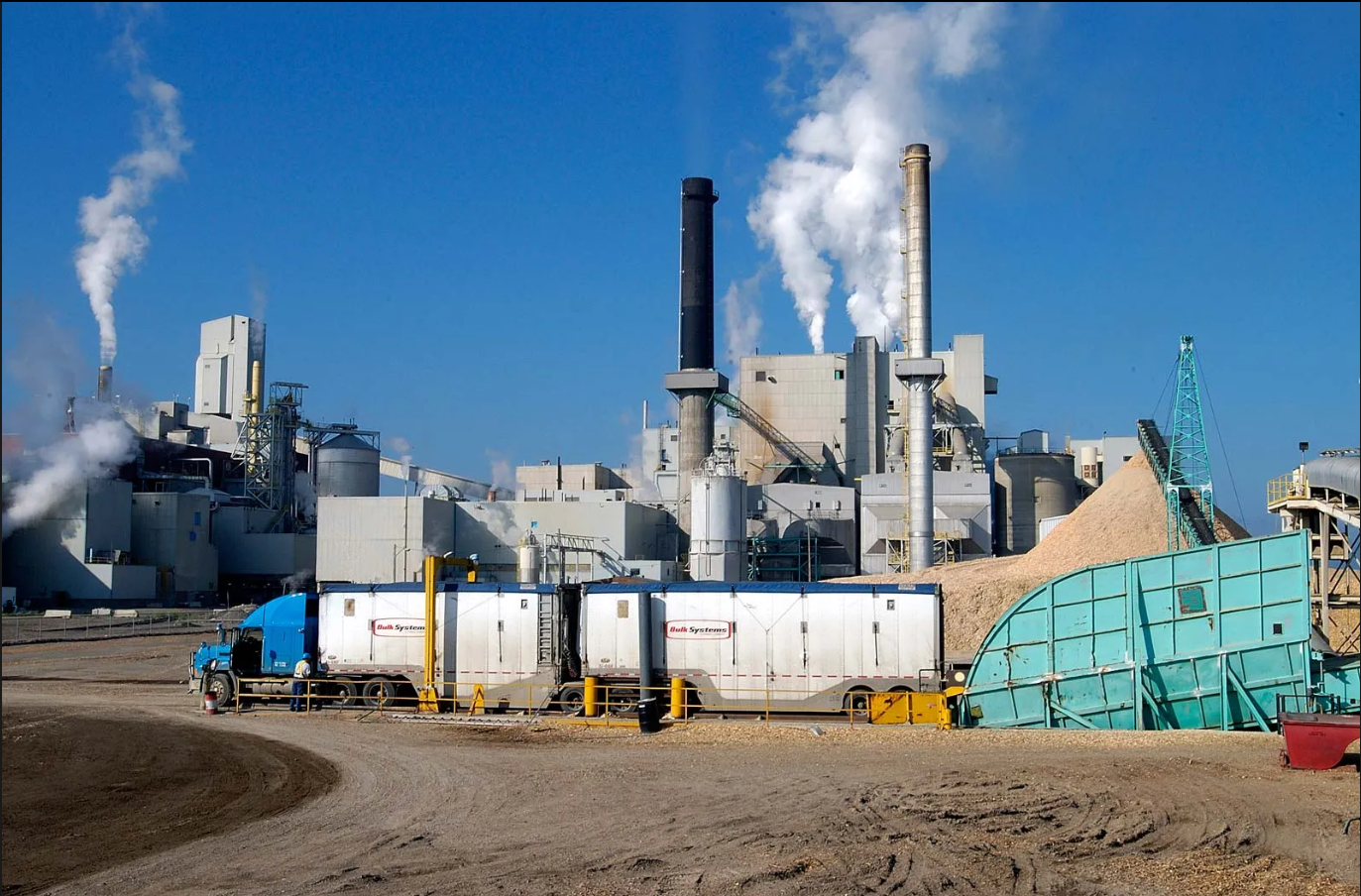
Food processing, pulp and paper, textile dyeing, and chemical manufacturing all generate process sludge that needs internal transfer. An ETP sludge pump (effluent treatment plant) is the common designation here, usually working alongside the same primary and thickened sludge duties described above but adjusted for the specific chemistry and temperature of the industrial effluent.


Key Factors to Consider When Selecting a Sludge Pump


Before you compare a single sludge pump price across suppliers, get these six variables nailed down — they determine whether the pump survives six months or six years.


Solids Content Solids Content

Know your actual percentage, not an estimate. The difference between 3% and 8% solids changes both the required power and the wear rate dramatically.


Particle Size Particle Size

Measure or estimate the largest solid you expect — grit, rags, gravel — and make sure the pump's free passage exceeds it with margin, not just matches it.


Sludge Pumps Explained: Types, Applications and Selection Pump Capacity

Size flow rate (m³/h or GPM) to the actual volume you need moved per cycle, factoring in any batch or intermittent duty cycle rather than a theoretical continuous maximum.

Pump Head Requirements Pump Head Requirements

Calculate total dynamic head including static lift, friction losses over pipe length, and any elevation change — undersizing head is the single most common cause of "the new pump doesn't move enough sludge" complaints.

Abrasion Resistance Abrasion Resistance

Abrasive sludge containing sand or grit will wear a standard cast-iron impeller within weeks; this is where material selection becomes critical.


;Pump Material Selection Pump Material Selection

Material Typical Hardness Best Suited For
High Chrome Alloy (Cr27) ~58-62 HRC Highly abrasive slurry, mining tailings, grit-heavy sludge
Duplex Stainless Steel ~25-28 HRC Corrosive + moderately abrasive sludge, chemical/industrial effluent
Standard Stainless Steel (304/316) ~20 HRC Mild corrosive duty, food/municipal sludge with low grit


Installation Method Installation Method

The three common configurations — submersible (lowered into the sludge), dry-mounted (housed in a separate pump room with suction piping), and excavator-mounted (for mobile dredging) — each carry different installation costs and maintenance access trade-offs. Most operators researching the best sludge pump for a given site end up choosing based on this factor as much as on flow and head.


Sludge Pump vs Slurry Pump: What's the Difference?


These two terms get used interchangeably online, which causes real confusion when you're trying to spec equipment. The short answer: a slurry pump is generally optimized for suspended, free-flowing solids in mining and mineral processing, while a sludge pump is built for thicker, more viscous, often more biologically or chemically active material typical of wastewater and lagoon service. In practice, terms like slurry sludge and sewage slurry mud pump are used by suppliers to describe equipment that sits in the overlap between the two categories.


Parameter Sludge Pump Slurry Pump
Solids Content High (often biological/organic) Medium-High (mineral, abrasive)
Viscosity High Medium
Typical Applications Wastewater treatment, lagoons, septic Mining, mineral processing, tailings
Flow Characteristics Thickened, settled materials Suspended, free-flowing solids


Common Sludge Pump Sizes and Power Options


Sizing is usually expressed two ways in the market — by motor power (HP) and by discharge bore diameter. Here's a practical reference for what each range is typically used for.


Power / Size Typical Flow Range Common Use
1 HP submersible ~5-15 m³/h Septic tanks, small sumps, residential lagoons
2 HP submersible ~10-25 m³/h Small commercial septic, pond edges, holding tanks
3 HP / 3-inch discharge ~20-40 m³/h Mid-size ponds, small treatment plants
5 HP ~30-60 m³/h Municipal lift stations, lagoon desludging
10 HP and above 60+ m³/h Large industrial plants, mining thickener underflow, dredging


If you're pricing a 1 hp sludge pump against a 5 hp sludge pump price, remember that head requirement, not just flow, drives the real power need — a low-flow but high-head application can need more motor than a high-flow, low-head one. The same logic applies whether you're comparing a 2 inch sludge pump, a 3 inch sludge pump, or a 4 inch sludge pump: bore size should follow your particle-size and flow-velocity calculation, not the other way around.

Hydroman Submersible Sludge Pumps Onsite Application


Advantages of Submersible Sludge Pumps


For the majority of pond, lagoon, and tank applications, a submersible configuration outperforms a dry-mounted alternative on practical grounds, not just theory:


Higher solids handling comes from the pump sitting directly at the point of highest sediment concentration, rather than drawing through a long suction line that's prone to clogging.

Reduced maintenance follows from eliminating suction piping, foot valves, and priming systems that otherwise need regular attention.

Compact installation means no pump house, no foundation work, and a much shorter project timeline.

Improved efficiency comes from the short, direct flow path between intake and discharge.

And continuous operation is supported by submersible motor cooling that uses the surrounding liquid itself, which keeps a unit running reliably even in summer heat where a dry-mounted motor might need extra ventilation.


Hydroman's submersible sludge pump range covers this exact niche, with cast high-chrome wet ends, dual mechanical seals, and agitator options purpose-built for compacted bottom sediment in lagoons and tanks.


Why Heavy-Duty Sludge Pumps Are Preferred for Industrial Applications


In mining, tailings management, industrial wastewater, and dredging, the cost of a pump failure isn't measured just in repair bills — it's measured in downtime across an entire production line. That's why a heavy duty sludge pump built around high-chrome alloy wet parts, oversized bearings, and dual seal protection earns its higher upfront cost quickly. An industrial sludge pump running 24/7 in a mining thickener, for example, is typically expected to deliver several thousand operating hours between major overhauls when properly matched to the abrasive load — a standard pump in the same duty might fail in a fraction of that time.


This is also where the term desludging pump shows up most often — referring specifically to high-capacity units tasked with periodically emptying accumulated solids from large tanks, basins, or tailings ponds rather than continuous low-volume transfer.


Maintenance Tips for Sludge Pumps


A sludge pump is a wear item by design, and the maintenance schedule should reflect that rather than treat failures as surprises.


Inspect the sludge pump impeller on a fixed interval — for abrasive duty, every 500-1,000 operating hours is a reasonable starting point — and track wear against the original clearance rather than waiting for visible damage. Monitor seals continuously where possible; a double mechanical seal running in an oil chamber, standard on most Hydroman submersible units, gives you an early warning if the outer seal starts to fail before sludge can reach the motor. Keep the sludge pump motor windings and thermal protection tested annually, especially on units that cycle frequently rather than running continuously. And budget proactively for wear parts replacement — impellers, wear plates, and seals are consumable items, and replacing them on schedule is dramatically cheaper than an emergency motor rebuild after a seal failure lets sludge into the stator.

Hydroman Centrifugal Sludge Pump for Sale


Frequently Asked Questions About Sludge Pumps


What is the best sludge pump for wastewater treatment?

The best sludge pump for wastewater treatment is typically a submersible sludge pump or electric sludge pump designed for continuous operation and high solids handling. For fibrous or thick sludge, cutter or agitator-equipped pumps are preferred.


How much does a submersible sludge pump cost?

The price of a submersible sludge pump depends on power (1 HP to 10+ HP), materials, and application requirements. Small units for septic or pond use are more affordable, while heavy-duty industrial sludge pumps for mining or dredging require higher investment due to wear-resistant construction.


What size sludge pump do I need?

Pump size depends on solids content, particle size, flow rate, and total head. Small ponds or septic systems typically use 1–3 HP pumps, while industrial applications may require 5 HP to 10+ HP heavy-duty sludge pumps.


Can sludge pumps handle abrasive solids?

Yes. High-quality industrial sludge pumps use high-chrome alloy or duplex stainless steel impellers to handle sand, grit, and other abrasive materials commonly found in mining and dredging applications.


What is the difference between a sludge pump and a slurry pump?

A sludge pump is designed for thick, viscous, and often organic or wastewater-based materials, while a slurry pump is typically used for mineral-rich, abrasive slurries in mining and industrial processing.


Where are sludge pumps commonly used?

Sludge pumps are widely used in wastewater treatment plants, mining operations, pond and lagoon cleaning, septic systems, and various industrial processes such as food, paper, and chemical manufacturing.


Recommended Hydroman Sludge Pump Solutions


Different sludge applications require different pump configurations. Below are some commonly used Hydroman sludge pump solutions designed for wastewater, mining, dredging, and industrial sludge handling.


Sludge Pumps Explained: Types, Applications and Selection

Electric Submersible Sludge Pumps (TJQ Series)


Ideal for wastewater treatment plants, municipal sludge transfer, and lagoon cleaning. These pumps feature high-chrome wear parts, integrated agitators, and are designed for continuous submerged operation in high-solids environments.

Typical applications: wastewater sludge pump, sludge dewatering pump, sewage sludge pump


Heavy Duty Submersible Sludge Pumps


Designed for highly abrasive conditions such as mining tailings, sand-laden sludge, and industrial slurry environments. Built with reinforced impellers and extra wear-resistant materials for extended service life.

Typical applications: industrial sludge pump, heavy sludge pump, sludge removal pump


Sludge Pumps Explained: Types, Applications and Selection

Hydraulic Sludge Pumps (Excavator Mounted THY Series)


Best suited for remote dredging, pond desilting, and large-scale sludge removal projects where electric power is not available. These pumps provide high mobility and strong solids handling capacity.

Typical applications: pond sludge pump, pond silt removal pump, dredging sludge pump


Sludge Cutter Pumps for Fibrous Waste


Equipped with cutting mechanisms to handle rags, fibers, and municipal wastewater solids that typically cause clogging in standard pumps.

Typical applications: sludge cutter pump, sewage sludge pump, sludge cleaning pump


Not sure which model fits your application? Our engineering team can help you select the right sludge pump based on flow rate, solids content, and installation conditions.


Conclusion


Choosing the right sludge pump comes down to matching three things to your actual site conditions: the type of pump (submersible, electric, hydraulic, centrifugal, or cutter-equipped), the application it's serving (treatment plant, lagoon, septic system, or industrial process), and the selection criteria that determine survival — solids content, particle size, head, flow, abrasion resistance, and material. Get those three aligned and a sludge pump will run for years; get any one of them wrong and you'll be replacing impellers and seals far more often than you should.


Need Help Choosing the Right Sludge Pump?

Whether you need a submersible sludge pump for wastewater treatment, a hydraulic sludge pump for dredging, or a heavy-duty industrial sludge pump for mining operations, the Hydroman Pump engineering team can help you select the most efficient solution for your application.


Contact us today for pump selection assistance, technical consultation, and customized sludge pumping solutions.

Recent News

  • Jun. 24, 2026

    Sludge Pumps Explained: Types, Applications and Selection

    Learn everything about sludge pumps including types, working principles, applications, and how to choose the right sludge pump for wastewater, mining, and industrial sludge handling. Explore submersible, electric, and heavy-duty sludge pump solutions.

  • Apr. 29, 2026

    Sandman® Mission 2500 Supreme Pumps for Slurry Applications

    Sandman® Mission 2500 Supreme Centrifugal Pump delivers reliable performance for oilfield and slurry applications. Explore Sandman® Mission 2500 Supreme Pumps for durability and efficiency—contact us today for a quote!

  • Apr. 28, 2026

    Sandman® Magnum Centrifugal Pump for Oilfield Drilling

    Sandman® Magnum Centrifugal Pump for Oilfield Drilling delivers reliable performance as an Electric Horizontal Centrifugal Pump for Drilling Fluid, ideal for heavy duty mud and sand handling in oilfield operations. Boost efficiency—contact Sandman® today!

Contact Us

Send us your questions, requests and feedback.

Tobee is specialized in providing solutions for slurry pump, vertical sump pumps, gravel pump, dredging pumps, froth pump, seawater pumps, fire pumps, slurry pump parts and OEM pump parts for your harsh projects.

Contact Information

Contact Information

+86 180 3203 4573

+86 311 8722 1317

No. 266, Tianshan St, High-tech Zone, Shijiazhuang City 050000, China.

Copyright © Hebei Tobee Pump Co., Ltd. All Rights Reserved | sitemap.xml | sitemap.html | Privacy Policy